Aviation Switching Module – NSN 4920-01-250-2696 (AS-IS / Untested): Military Aviation Electrical Module
Aviation Switching Module – NSN 4920-01-250-2696 (AS-IS / Untested): Military Aviation Electrical Module
Blog Article
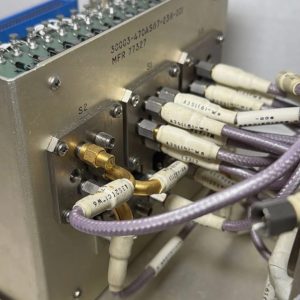
The Aviation Switching Module – NSN 4920-01-250-2696 (AS-IS / Untested) may be suitable for bench evaluation, training displays, component research, restoration work, parts harvesting, or inventory replacement after exact application verification.
An Aircraft Switching Module and Aerospace Switching Module should be treated as specialized equipment rather than universal components that can be connected to any aircraft electrical system.
An Aircraft Electrical Switching Module, Aviation Electrical Control Module, Aircraft Power Switching Module, Aerospace Electrical Control Unit, and Aircraft Signal Switching Module may describe related switching or control functions, but the exact purpose of this NSN should be verified before use.
The Aviation Control Module, Aircraft Switching Unit, Aerospace Power Distribution Module, Aircraft Electrical Control Unit, Aviation Power Control Module, Aircraft Electronic Switching System, Aerospace Switching Unit, and Aircraft Electrical Module keywords describe a broad aerospace-electrical product category.
Identifying the Aerospace Switching Unit
Accurate NSN verification helps reduce purchasing errors and prevents an unrelated module from being represented as compatible equipment.
The exact manufacturer, model number, electrical specifications, switching functions, and associated equipment should be confirmed through reliable technical references whenever available.
AS-IS Aerospace Equipment Considerations
The condition description should be understood as a limitation rather than a suggestion that the unit is probably operational.
Professional evaluation protects the module, technician, test equipment, and any associated aerospace system.
Evaluating Aircraft Switching Functions
The product page should avoid assigning a cockpit, power-distribution, test-set, or mission-system function without evidence.
Switch movement can be checked gently for obvious binding or damage, but mechanical movement does not establish electrical operation.
Aerospace Enclosure and Connector Condition
Age, handling, impact, humidity, temperature changes, contamination, and long-term storage can affect both mechanical and electrical condition.
Proper connector protection preserves the Aerospace Switching Module for future testing or restoration.
Aircraft Electrical Hardware Review
A qualified technician should determine whether additional internal inspection is justified.
Loose wires, nonstandard components, replaced relays, cut conductors, or evidence of field repair should be recorded.
Aviation Electrical Control Module Functions
The exact interface must be established through diagrams, manuals, connector data, or verified system information.
Aggressive solvents, scraping, repainting, or polishing may remove original information.
Aviation Power Circuit Management
Power switching equipment can create heat, arcing, or equipment damage when connected incorrectly.
Accurate reporting protects buyers seeking an Aircraft Power Switching Module for repair, parts, or research.
Aviation Control Unit Inspection
Troubleshooting requires a logical sequence based on technical information rather than random power application.
Undocumented modifications can make future troubleshooting and identification more difficult.
Signal Switching Module Inspection
Qualified evaluation supports responsible Aircraft Signal Switching Module use.
The module should not be modified with unshielded wiring or improvised connectors solely for convenience.
Control Module Compatibility Review
Clear intended use helps establish realistic expectations for an AS-IS Aviation Control Module.
Accurate configuration review reduces the risk of an unsuitable Aviation Control Module acquisition.
Restoring Aviation Switching Hardware
A complete but untested unit may have different value from an incomplete component known to contain damage.
Responsible educational use can extend the value of the Aircraft Switching Unit.
Aerospace Power Distribution Module Considerations
Power distribution equipment may use switches, relays, terminals, bus structures, circuit protection, and control interfaces depending on design.
The original installation orientation should be researched where possible.
Control Unit Connector and Switch Review
The unit should be photographed before and after any preservation work.
Testing results should identify exactly which switches, contacts, indicators, or circuits were evaluated.
Choosing an Aviation Power Control Module
An Aviation Power Control Module can have specialized applications within aircraft systems, aerospace ground equipment, maintenance platforms, or test installations.
Power-control components may retain electrical energy or contain circuits requiring special handling depending on internal design.
Maintaining Aerospace Switching Equipment
An Aircraft Electronic Switching System may consist of multiple modules, harnesses, control panels, relays, indicators, power sources, and associated equipment.
A replacement AS-IS unit may provide useful comparative parts but should not be installed without evaluation.
Aerospace Switching Unit Storage and Handling
Connector caps should remain fitted, and the module should be supported without placing pressure on switches, knobs, cables, or mounting brackets.
Insured and trackable transportation supports responsible sales of specialized aviation hardware.
Evaluating Surplus Aerospace Equipment
A buyer seeking an operational replacement has different needs from a collector, technical school, parts dealer, or restoration specialist.
Remote buyers should request current photographs of the actual unit instead of relying on catalog images or pictures of similar equipment.
Aerospace Module Pre-Purchase Inspection
The seller should disclose corrosion, missing parts, broken controls, damaged connectors, previous repairs, opened seals, burned areas, contamination, and signs of impact.
- Request photographs of all labels, switches, controls, connectors, mounting points, enclosure surfaces, seals, fasteners, and included accessories.
- Do not interpret clean appearance, smooth switch movement, or intact labels as proof of electrical operation.
- Confirm the written invoice, AS-IS terms, payment protection, packaging method, shipping insurance, inspection period, and return conditions.
Aerospace Module Troubleshooting Process
Testing should begin with identification research, visual inspection, connector mapping, safety review, and examination of available technical documentation.
Powered testing should proceed gradually while monitoring current, temperature, smell, noise, indicators, and unexpected behavior.
Documenting Aviation Electronics Restoration
Restoration should begin with condition documentation, careful cleaning, technical research, component identification, fault isolation, and repair planning.
Every repair should record the date, technician, fault found, parts replaced, measurements, testing performed, and website remaining limitations.
Final Thoughts on the Untested Aircraft Switching Module
The Aviation Switching Module – NSN 4920-01-250-2696 (AS-IS / Untested) may suit aviation workshops, military-surplus collectors, aerospace technicians, educational programs, equipment restorers, and specialist parts buyers.
The component should be judged according to complete project suitability rather than clean appearance, military-surplus interest, part-number rarity, or price alone.
Whether the product is described as an Aircraft Switching Unit, Aerospace Power Distribution Module, Aircraft Electrical Control Unit, or Aviation Power Control Module, AS-IS limitations should remain clear.
With responsible purchasing, NSN research, connector protection, current-limited evaluation, and documented restoration, the component can remain a useful aviation asset.
Report this page